Approvals, clinical innovations and updates in our treatment portfolio.
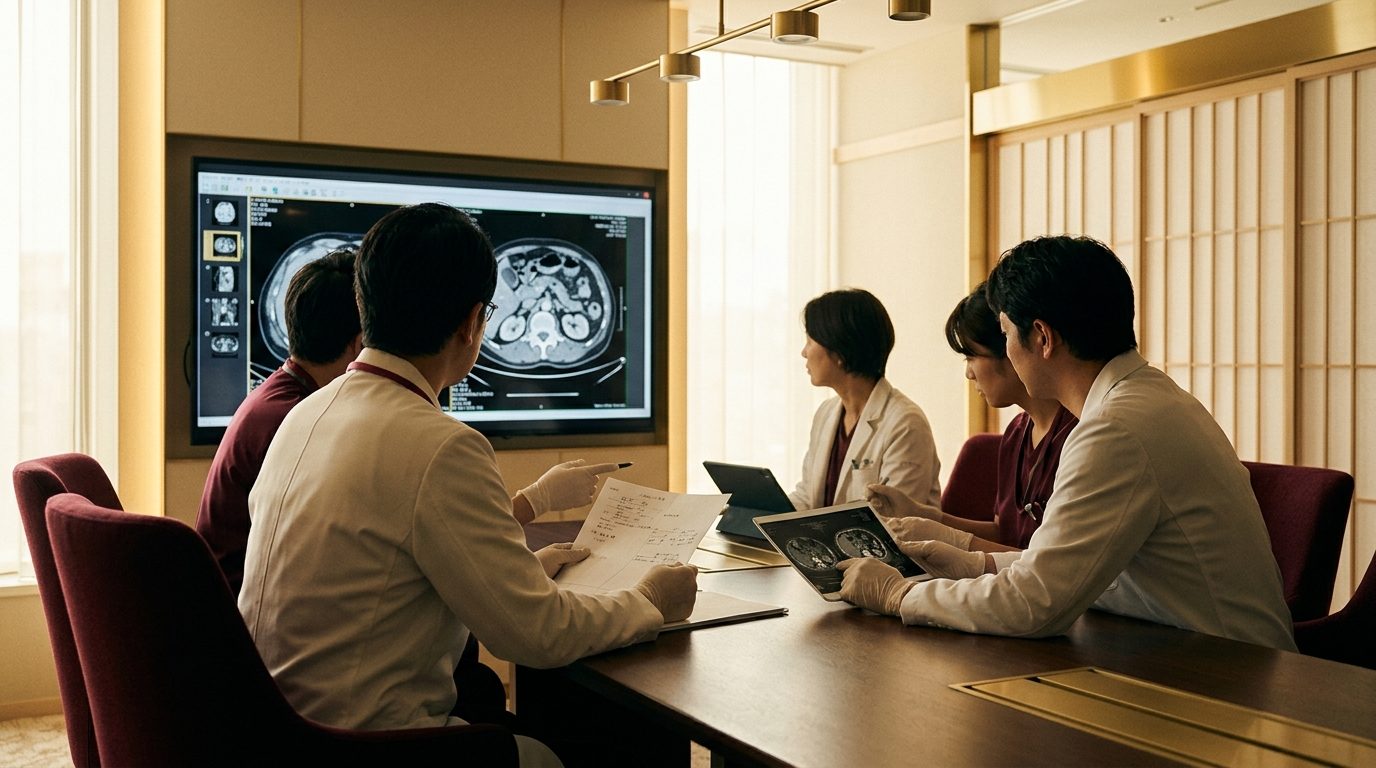
An expert review in Japan is not about dismissing your current care. It is about checking whether another medically sound option should be considered.
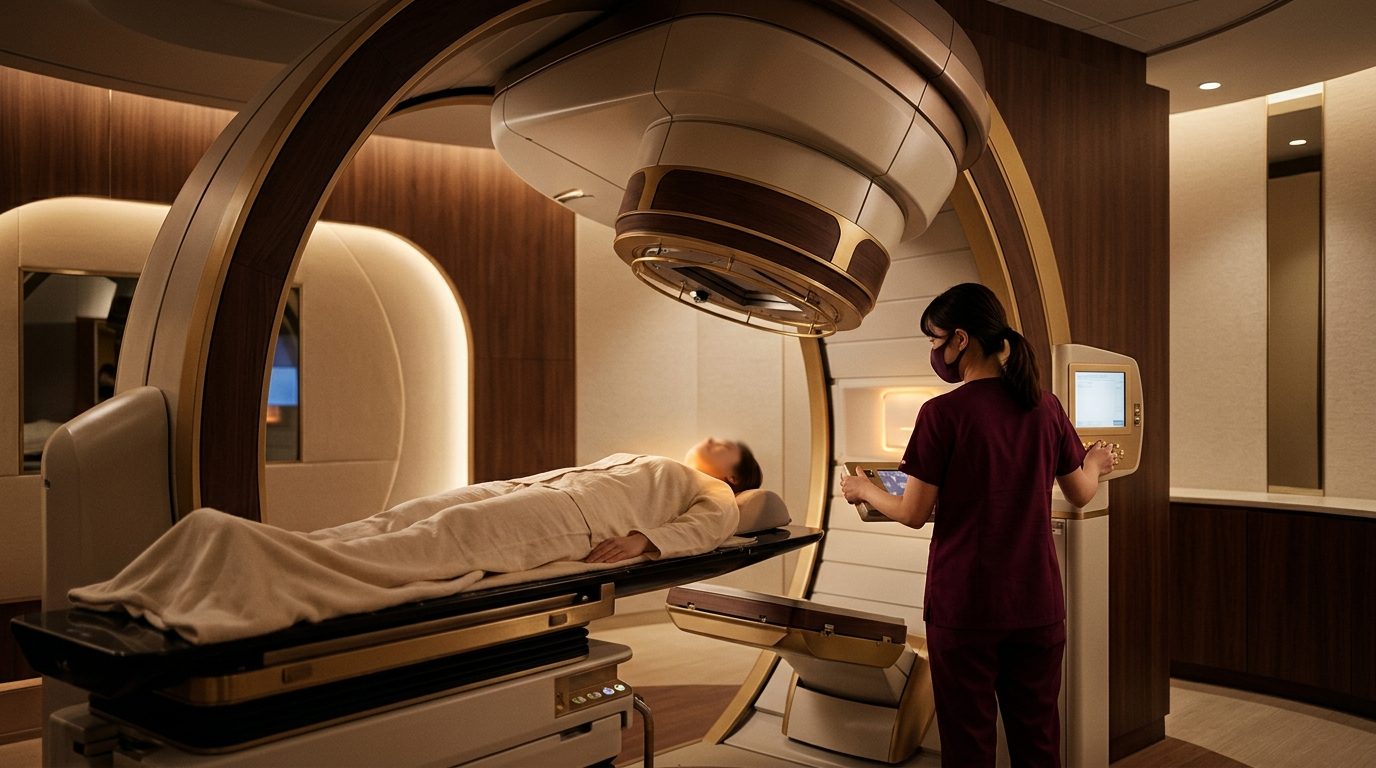
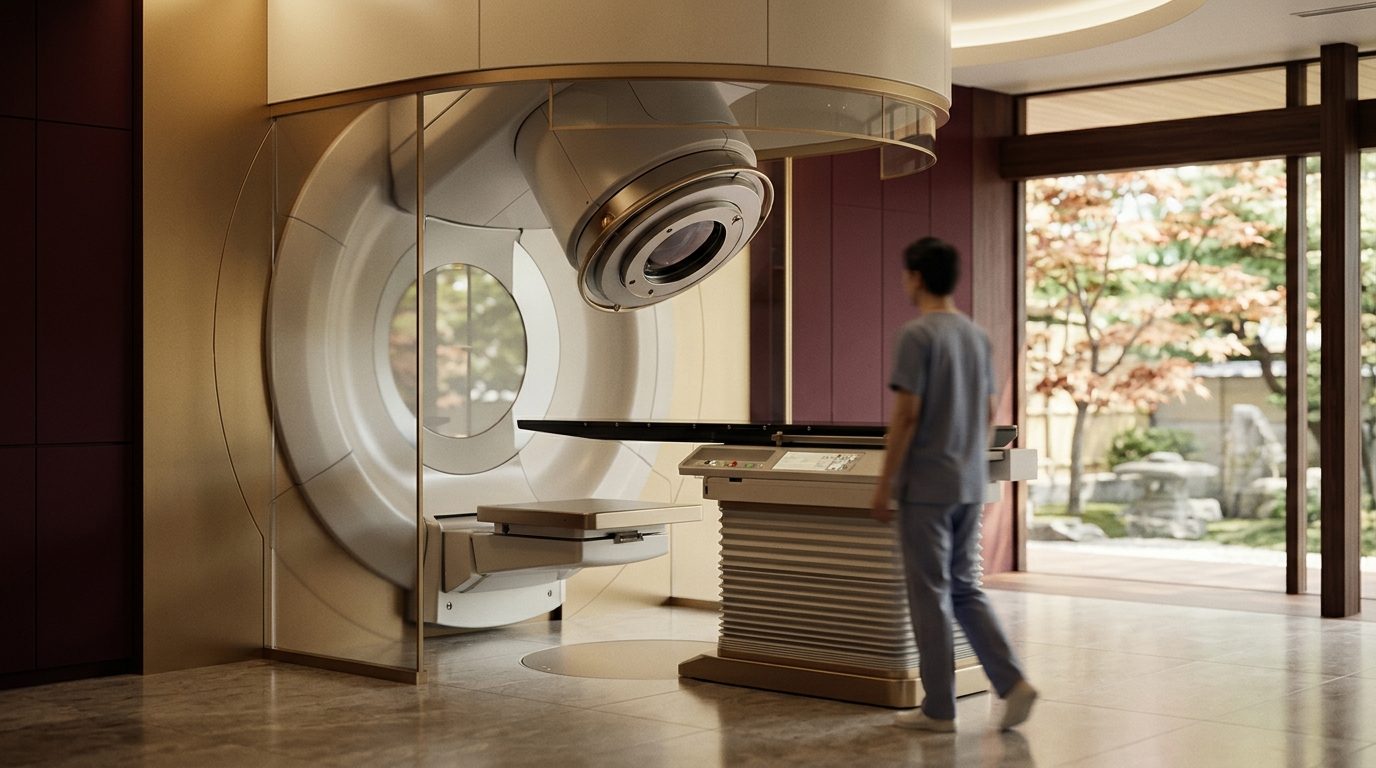
Heavy ion therapy is an advanced form of radiotherapy designed to target cancer with extreme precision. Who may be a candidate, and how is it planned in Japan?
Immunotherapy is not one-size-fits-all. Here is how Japan evaluates which cancer patients may be considered, and which tests matter.
In cancer care, a second opinion is not delay—it is clarity. The right questions can sharpen the treatment path.
In cancer care, a second opinion is not about confusion. It helps clarify options, strengthen the plan, and bring peace of mind.
Why do patients look to Japan for cancer care? Not just technology—also careful selection, team discipline, and tightly managed treatment paths.
Which advanced cancer treatments stand out in Japan? Here’s what they are, who may qualify, and how the process usually works.
Japan’s advanced cancer options are not all the same. Let’s clarify what may fit whom, how the process works, and what to expect.
Advanced cancer care in Japan is not one-size-fits-all. Here is what may suit whom, and what the patient journey really looks like.
Cancer care in Japan is not one single path. Here is a clear, patient-first look at which advanced options may be considered and how.
Planning cancer treatment abroad starts long before the flight. The most important steps happen in your medical file first.
Who may be a fit for advanced cancer care in Japan? A patient-friendly guide from CAR-T to proton therapy.
Personalized vaccine approaches in GBM are promising, but eligibility and expert review remain essential.
Personalized vaccine approaches in glioblastoma are promising, but eligibility and treatment decisions are evaluated by an expert board.
In glioblastoma, personalized vaccine approaches may be considered as supportive options alongside standard care in selected patients.
Proton therapy may help spare healthy tissue in children; eligibility depends on diagnosis and expert review.
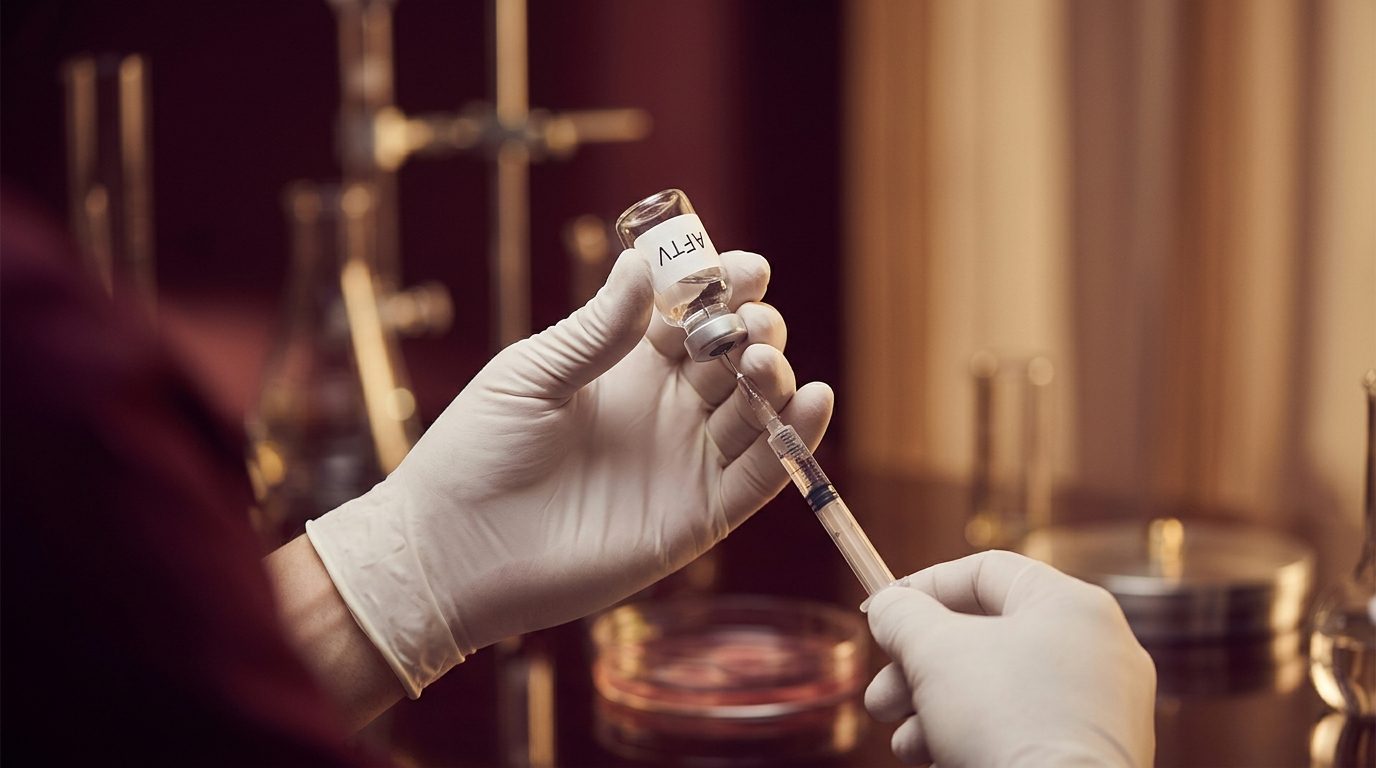
AFTV reaching the world's first Phase 3 in brain tumors, new clinical results in mRNA vaccines, Japan's manufacturing infrastructure — the current picture of cancer vaccines.
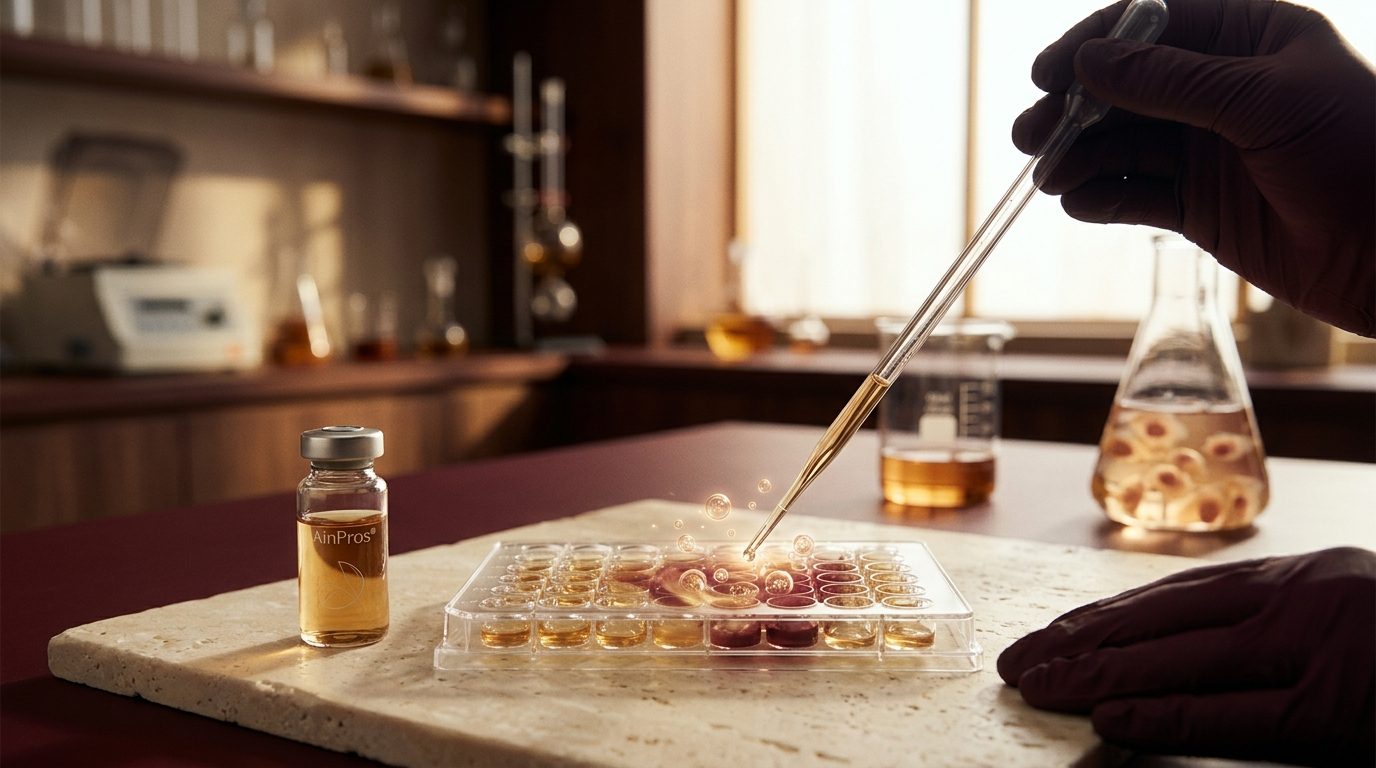
Exosomes are nano-sized message packages cells send to each other. The AinPros® approach uses this natural mechanism in recovery and supportive care.
Is surgery-free, incision-free treatment possible? IGT, reaching the tumor's blood vessel directly via catheter, and hyperthermia, weakening the tumor with heat, are applied together in Japan.
NK cells are the immune system's natural soldiers capable of destroying cancer cells without prior recognition. Laboratory-enhanced NK therapies are in daily practice in Japan.
A light-sensitive drug binds to the tumor cell, and light deactivates only those cells. Applicable in more than 20 cancer types, this method is in daily practice in Japan.
Getting a second expert opinion before starting treatment can both prevent unnecessary surgeries and open the door to newer options.
What is the Medical Stay Visa, which documents are required, can a companion come along? The official steps of the treatment journey from Türkiye to Japan.
Re-irradiation of a previously treated head & neck region is often impossible. BNCT, the first in the world to receive routine approval, steps in exactly at this point.
From tumor tissue to vaccine: what does the patient experience in the AFTV process? Tissue collection, production in Japan, dose protocol and follow-up — all steps in this article.
The proton beam leaves almost no dose in healthy tissue beyond the tumor. It is becoming the gold standard in childhood cancers, brain and head-neck tumors.
The 2012 Nobel Prize-winning iPSC technology reprograms adult cells into cancer-fighting immune cells. Japan is the world leader in this field.
Going from Türkiye to Japan for CAR-T therapy in leukemia, lymphoma and multiple myeloma: eligibility criteria, process, timeline and what you need to know.
Prepared from the patient's own tumor tissue, AFTV is a personalized immunotherapy approach that trains the immune system to recognize the tumor.
What is iPSC? Learn in which cancers heavy ion (carbon ion) therapy may be considered, its possible advantages, and who may be suitable.
The complete journey for patients considering cancer treatment in Japan: report upload, Japanese expert board review, treatment plan, visa, interpreter and follow-up.
AFTV, the product of Prof. Dr. Tadao Ohno's 32-year research, is the first autologous tumor vaccine in a multicenter, randomized, double-blind Phase 3 trial in glioblastoma (GBM). In breast cancer, 10-year survival above 50% has been reported.
In collaboration with Sinclair Ginza Clinic in Tokyo Ginza, the cell-free exosome support AinPros® is now available to our patients.
The piggyBac transposon system, replacing costly viral vectors of conventional CAR-T manufacturing, reduces cost and simplifies GMP processes.
Boron Neutron Capture Therapy (BNCT) stands out in Japan as the world's first routine clinical approval, notably for recurrent head & neck cancers.
In early 2026, two iPSC-derived therapies for Parkinson's disease and heart failure received official approval — paving the way for next-generation cell therapies such as iCART.